
Dental Polishing
Professional Dental Polishing
Professional dental polishing effectively removes stains, bacterial plaque, and superficial deposits, leaving your teeth cleaner and brighter. It is an essential step after scaling to maintain oral health and a well-groomed smile.
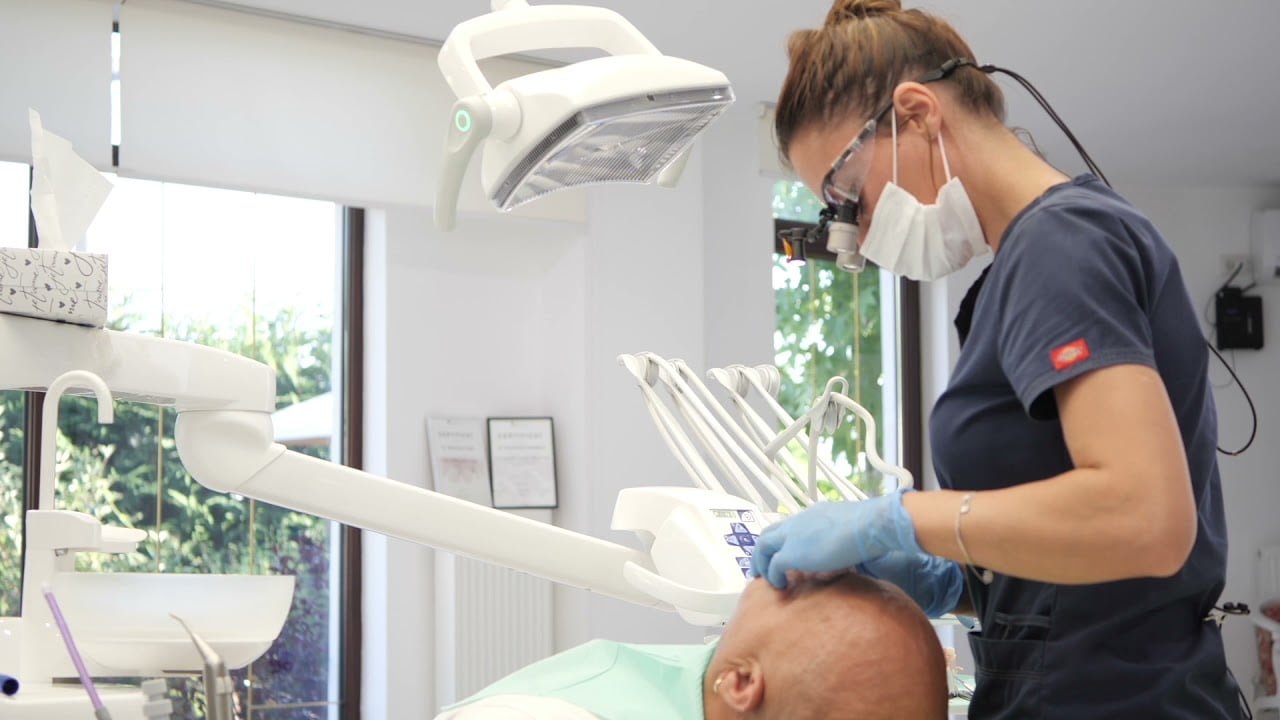
What does our professional dental polishing service include?
The professional polishing performed at the Pasindora Clinic in Râmnicu Vâlcea is part of the complete dental prophylaxis plan recommended by the dentist. The procedure is painless, quick, and adapted to the needs of each patient, depending on the individual clinical evaluation. What professional polishing at Pasindora includes:
- Cleaning the tooth surface with rotary instruments and prophylactic brushes
- Using a special abrasive paste to remove discolorations (e.g., from coffee, tea, smoking)
- Completing the hygiene procedure after scaling or airflow (where indicated)
- Removing soft bacterial plaque from hard-to-reach areas
- Sessions performed in a controlled environment, with sterile instruments and attention to patient comfort
Why is Professional Polishing Important in Dental Prophylaxis?
By regularly undergoing professional polishing at the Pasindora Clinic in Râmnicu Vâlcea, patients can prevent the onset of dental problems and benefit from an integrated approach to oral health. Here is why professional polishing is a popular and important procedure in prophylaxis:
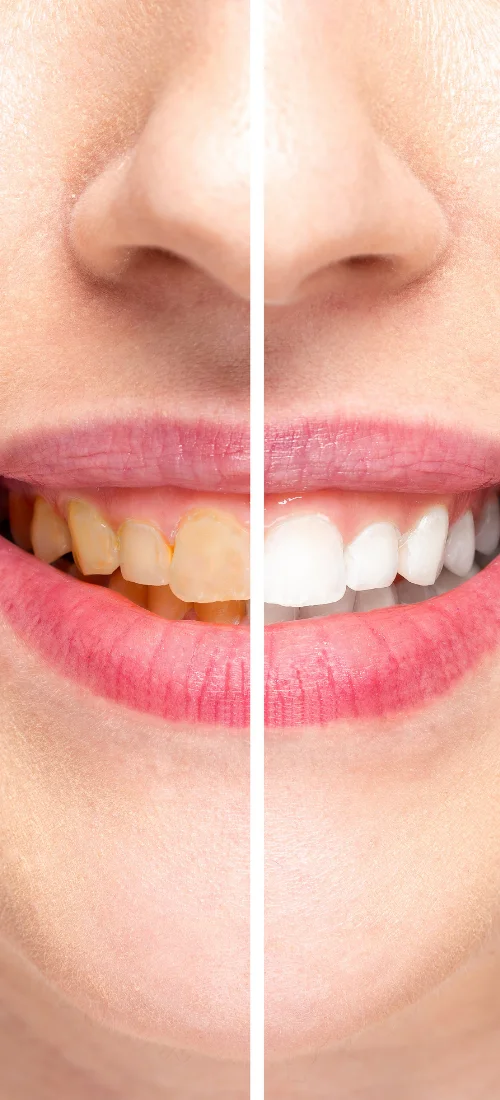
- Removes soft bacterial plaque, which is the basis of gingival inflammation
- Completes home hygiene in areas where the toothbrush and dental floss cannot reach effectively
- Helps reduce the risk of cavities and periodontal diseases
- Helps maintain fresh breath by effectively cleaning interdental spaces
- Allows the subsequent application of preventive treatments (e.g., fluoride), where indicated
- Is performed in a controlled environment, with sterile instruments and modern equipment
- Can be carried out periodically, depending on the dentist’s recommendation, as part of the personalized prevention plan
Here is how we approach Professional Polishing as part of a complete Prophylaxis service at Pasindora
Initial clinical evaluation
Every procedure begins with an examination of the oral cavity. The dentist evaluates the general condition of the gums and teeth, checks for the presence of bacterial plaque and any discolorations, and determines whether professional polishing is indicated on its own or as part of an extended hygiene protocol (e.g., scaling, airflow).
Rotational professional polishing
A rotary brush and a fine-grained abrasive paste are used, adapted to each patient’s needs. The procedure is intended to clean the enamel surface, remove soft bacterial plaque and superficial discolorations (e.g., from tea, coffee, smoking), without affecting the tooth structure.
Rinsing and final check
After polishing, the area is rinsed with water or antiseptic solutions, and the dentist checks the result of the hygiene procedure. If necessary, additional preventive measures may be recommended (for example, topical fluoride), depending on the patient’s caries risk or sensitivity.
Personalized oral hygiene recommendations
The patient receives practical advice on how to maintain the results at home: brushing frequency, type of toothbrush and toothpaste, use of interdental aids, and scheduling the next check-up. Depending on oral status, professional polishing may be recommended once every 6 months or more often.
Here is what you can expect after a scaling procedure performed at Pasindora
Feeling of cleanliness and smoothness
After scaling, the teeth will have a smoother and cleaner surface, and the feeling of freshness is often immediately noticeable.
Slight gum sensitivity or minimal bleeding
If the gums are inflamed, slight sensitivity or temporary bleeding may occur. These reactions are normal and tend to disappear within 1–2 days.
Temporary tooth sensitivity
Some people may experience sensitivity to high or low temperatures, especially in areas where heavier deposits were removed. The dentist may recommend a toothpaste adapted to this type of sensitivity.
Personalized oral hygiene recommendations
At the end of the procedure, the patient receives tailored instructions regarding brushing technique, the use of interdental aids, and other useful measures for maintaining hygiene at home.
Scheduling a future evaluation
Depending on the condition of the gums and supporting tissues, the dentist may recommend repeating the hygiene procedure at a set interval, often every 6 months.
Modern equipment for hygiene & scaling in Râmnicu Vâlcea
At Pasindora, professional polishing is integrated into a complete prophylaxis protocol, supported by technologies that allow detailed evaluation and a personalized approach adapted to each individual case.
 Florida Probe – digital evaluation of periodontal status
Before hygiene, the dentist may use the Florida Probe system to perform an objective analysis of the condition of the gums. This evaluation allows the identification of areas that may require subgingival cleaning or additional prophylactic measures.
AirFlow – efficient cleaning for the cleaning of dental surfaces
Professional polishing can be preceded, where indicated, by AirFlow hygiene, a technology that combines water, air, and fine powder to gently clean bacterial plaque and stains from hard-to-reach areas.
Aquacare – minimally invasive cleaning in sensitive areas
For areas such as dental fissures or interdental spaces, Aquacare can be used to complement professional polishing, providing effective cleaning without direct contact with the enamel.
STA – computerized anesthesia for increased comfort
In cases where the patient has increased sensitivity, the STA (Single Tooth Anesthesia) system allows the localized administration of anesthesia in a controlled manner, reducing the discomfort associated with deeper procedures.
How does regular brushing at home differ from professional polishing?
Home brushing (at home)
The tooth brushing performed at home is the basic component of daily oral hygiene. It is done with a manual or electric toothbrush and has the role of removing soft bacterial plaque and food debris from the surface of the teeth.
Characteristics of home brushing:
- It is recommended twice a day, morning and evening.
- Its effectiveness depends on the technique and regularity of application.
- It cannot deeply clean interdental or subgingival spaces.
- It does not remove persistent stains or accumulated tartar.
- It requires periodic completion through professional hygiene.
Professional brushing (in the clinic)
Professional hygiene is performed in the dental office, using specialized instruments and technologies, as part of a complete dental prophylaxis plan. The procedure may include ultrasonic scaling, AirFlow cleaning, professional polishing, and fluoride application, depending on the patient’s needs.
Benefits of professional brushing:
- Effectively cleans tooth surfaces and removes superficial discolorations.
- Smooths the enamel and reduces bacterial plaque adhesion.
- Provides better access to hard-to-brush areas (e.g., interdental spaces).
- Helps refresh breath and prevent cavities.
- Is performed under medical supervision and in sterile conditions.
Limitations or precautions:
- It does not replace daily home brushing.
- It does not remove tartar – it is complementary to scaling.
- For patients with very sensitive teeth, the pressure and type of paste used are adjusted.
Frequently Asked Questions about Professional Brushing
Professional brushing is a procedure performed in the dental office, using a rotary brush and a special prophylactic paste. Unlike home brushing, it allows for a more efficient cleaning of tooth surfaces and hard-to-reach areas, such as interdental spaces and the gingival margin.
At the Pasindora Clinic in Râmnicu Vâlcea, we individually assess each patient’s risks and build a personalized prophylaxis plan that includes the optimal frequency of ultrasonic scaling or AirFlow dental hygiene.
On average, professional brushing lasts between 10 and 15 minutes, depending on the number of teeth present and the degree of hygiene required. The procedure can be performed on its own or as part of a complete prophylaxis session.
Professional brushing is generally a painless procedure. For patients with increased sensitivity, the dentist can adjust the applied pressure or the formula of the paste used for greater comfort.
The frequency is determined by the dentist, depending on the patient’s oral condition. In general, professional brushing is recommended once every 6 months as part of a hygiene plan.
Professional brushing does not change the natural color of the teeth, but it can remove superficial discolorations caused by food, smoking, or pigmented drinks, restoring a cleaner and brighter appearance to the teeth.
Professional brushing is often recommended after scaling to complete the cleaning. However, in some cases, it can also be performed separately when there are no tartar deposits, but soft bacterial plaque and stains need to be removed.
Prophylactic pastes with special granulation are used, adapted to the procedure and the patient’s sensitivity. These are more abrasive than home-use toothpastes, but they are safe when applied under controlled conditions by medical personnel.
Yes, when performed correctly, professional brushing does not affect the enamel. The procedure is carried out with instruments and pastes specially designed for professional use, under safe conditions.
Yes, but it is important to inform the dentist before the procedure. The pressure, duration, or type of paste used can be adjusted so that the discomfort is minimal or nonexistent.
Yes, professional brushing can also be performed on children, especially for preventing cavities and developing good oral hygiene habits. The appropriate frequency and timing will be determined by the pediatric dentist.
- Efficient removal of bacterial plaque and stains
- Maintaining gum health
- Refreshing the breath
- Reducing the risk of cavities and periodontal diseases
- Support in maintaining dental aesthetics between hygiene sessions
There is no strict restriction. However, it is recommended to avoid strongly colored foods (e.g., coffee, red wine, pigmented fruits) for 1–2 hours in order to maintain the effect of the hygiene procedure as much as possible.
In certain cases, the dentist may recommend applying a gel or solution containing fluoride after brushing, especially for patients with a higher risk of cavities or with tooth sensitivity. This indication is determined individually.
Restore Your Smile’s Natural Radiance
Remove bacterial plaque, stains, and deposits for a healthy, clean, and bright smile.